
A Journey to the Cultural Heart of Coroico
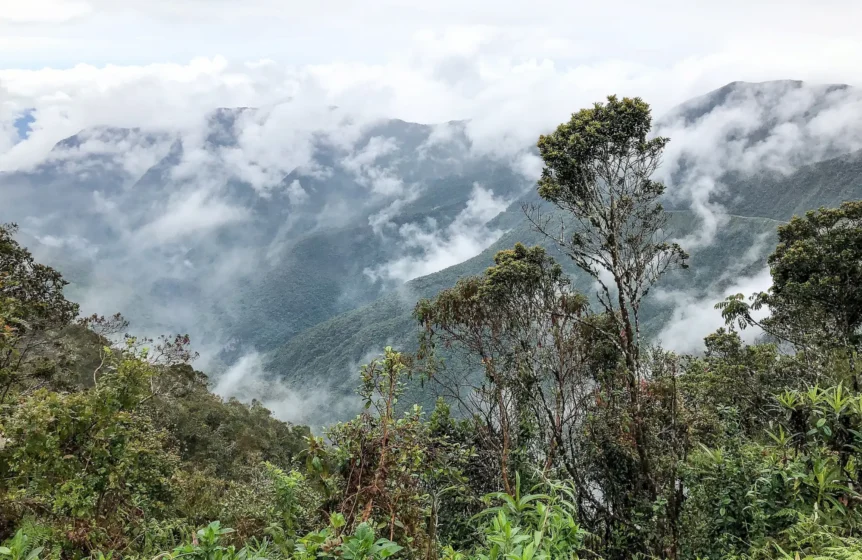
Just a few kilometers from Coroico, nestled among tropical hills and winding dirt trails that descend into the valley, lies Tocaña — a small community that preserves one of Bolivia’s most powerful cultural expressions: the Afro-Bolivian Saya.
Visiting Tocaña is not an ordinary excursion; it is an immersion into history, rhythm, and community life — a chance to meet a people who have preserved their identity with pride, music, and resilience.
Here, culture is not performed — it is shared. The drums, songs, and smiles of its people tell a story that still beats strong in every rhythm.
The Cradle of Afro-Bolivian Saya
Tocaña is recognized as the birthplace of Saya, an art form born from the spirit and memory of Africans brought to the Yungas during colonial times.
Unlike the Caporales, a mestizo dance inspired by the capataz (the overseer of enslaved workers), the Saya is an authentic and deeply spiritual expression — a celebration of life, community, and freedom.
During your visit, you can witness — and often join — a live cultural performance.
The sound of the drums (major and minor), the rattles, and the rhythmic pulse of the cuancha (a bamboo scraper) create a vibrant atmosphere.
The singing follows a call-and-response pattern: a soloist sings verses about the people’s life and history, while the chorus answers with collective strength.
The dance is contagious — women in colorful polleras (skirts) and embroidered blouses wave their handkerchiefs gracefully, while men in white shirts, sashes, and hats mark the rhythm with small bells on their ankles.
It’s common for visitors to end up dancing too, learning the basic steps of a tradition that has pulsed for centuries.
A Short but Profound Journey
Tocaña is located only 7 to 10 kilometers from Coroico, in the municipality of Nor Yungas.
The road is narrow, winding, and unpaved, so a 4×4 vehicle or local taxi is recommended. The ride takes about 30 to 45 minutes, revealing lush green landscapes at every turn.
The visit can be done in half a day, making it easy to combine with other activities in Coroico.
The road ends at a small, welcoming village, where visitors are greeted with the warmth and kindness that define its people.
History Told by Its People
One of the most meaningful parts of the visit is listening to elders and local guides share their history.
They tell how their ancestors were brought from Africa to work in the silver mines of Potosí, and how, after generations of forced labor, they eventually settled in the Yungas, where they rebuilt their freedom and identity.
The Saya was born from that journey — as a form of expression and resistance, a way to remember their roots and affirm their dignity.
Today, it stands as a national symbol of pride and part of Bolivia’s Intangible Cultural Heritage.
Living Culture and Everyday Life
Beyond the music, Tocaña offers a close-up view of rural life in the Yungas.
The community works in agriculture, growing highland coffee, traditional coca, citrus fruits, bananas, and cassava.
Some tours include a short walk through local crops, where visitors can learn about traditional farming practices and enjoy the tropical scenery.
In the village center stand the simple church, the soccer field — the heart of community gatherings — and the open space where cultural performances take place.
Everything feels authentic and unpretentious: Tocaña is a living community, not a staged show.
Tips for Visitors
- Wear light, comfortable clothing for the warm, humid Yungas climate.
- Don’t forget insect repellent — mosquitoes are common.
- Bring a hat, sunscreen, and water to stay hydrated.
- Carry cash (Bolivianos) — there are no ATMs in the area.
- Above all, visit with respect and curiosity — locals appreciate genuine interest in their history and culture.
An Experience That Connects History and Humanity
Visiting Tocaña means understanding that Bolivia is not only defined by its mountains and lakes, but also by its rhythms, faces, and memories.
In this corner of the Yungas, African heritage merges with Andean landscapes and tropical warmth, creating a unique cultural identity.
Together, Coroico and Tocaña stand as living testimonies of diversity and resilience — destinations that invite travelers not only to see, but to feel, listen, and learn.
Tocaña is not just visited — it is lived.