
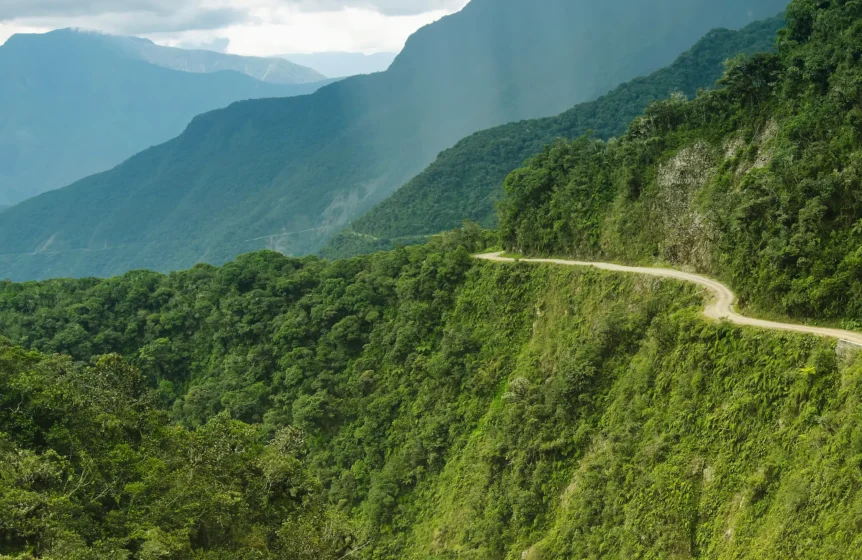
In the heart of Cotapata National Park, the El Choro Trail offers a trekking experience that merges history, nature, and spirituality. This ancient route, part of the Inca Qhapaq Ñan, descends from 4,900 meters above sea level in the Royal Range to 1,300 meters in the Yungas, crossing landscapes that transform before the traveler’s eyes—from glaciers and high valleys to cloud forests teeming with life.
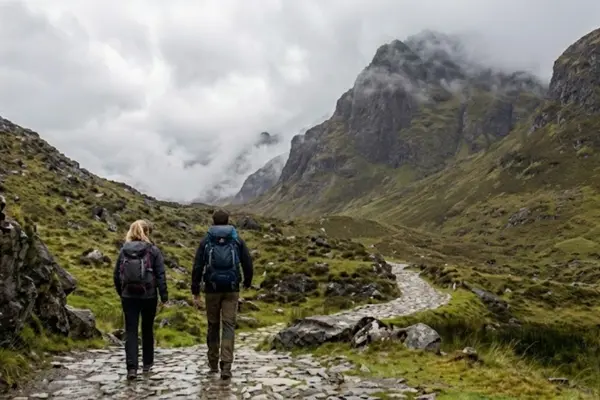
Walking El Choro is not just a hike; it’s an immersion into Bolivia’s living biodiversity and culture, where every step connects you to the pulse of the Earth and the echoes of ancient civilizations.
El Choro Trail: A Living Path of the Qhapaq Ñan
The El Choro Trail was a vital route in the Inca network, linking the highlands with the subtropical valleys of the Yungas. Its pre-Columbian paving stones, resting stations, and sacred apachetas preserve the essence of Andean engineering and worldview. Walking it today means reviving centuries of history, where stone, mist, and water tell stories of trade, spirituality, and resilience. This path is also a biological corridor, home to the Andean bear, orchids, bromeliads, and local communities that continue to walk it with gratitude and respect for nature.
Extreme Nature: From Andean Ice to Cloud Forests
Across more than 50 kilometers, El Choro condenses four distinct ecological zones into one journey. From the humid puna and cloud forest edge, dominated by wind and wild grasses, to the lush Yungas cloud forest, home to the spectacled bear and vibrantly colored birds. Each step reveals new textures, scents, and temperatures. Travelers experience the dramatic shift from glacial cold to subtropical warmth within hours—an encounter with the biological richness that makes Bolivia’s Yungas one of the most diverse regions on Earth.
Practical Tips for a Responsible Trek
- Ideal itinerary: 3 days and 2 nights, camping in Challapampa and Sandillani for a balanced and enjoyable pace.
- Best season: May to October, when the weather is more stable and river crossings are safe.
- Recommended gear: trekking poles, light rain gear, and a reliable water purification system.
- Environmental respect: carry out all waste, avoid open fires, and support local family-run campsites.
Every visitor contributes to the conservation of the Cotapata National Park, a natural sanctuary sustained by responsible ecotourism.
Eco-Lodging and Gateway in Coroico
After completing the descent, most travelers choose Coroico as a place to rest and reconnect. Here, Chamanica Ecolodge offers the perfect environment to recharge, meditate, or plan new adventures such as Uchumachi, Pozas del Vagante, or the Tocaña coffee route. Its concept of eco-lodging in the Yungas combines comfort, spirituality, and respect for the Earth—inviting guests to travel consciously.
Frequently Asked Questions (FAQ)
When is the best time to hike El Choro?
The best season is from May to October, when rainfall is minimal and trail conditions are safer. During the wet months, some bridges may be affected.
Do I need a guide or can I do it independently?
While it’s possible to go solo, hiring a local guide enhances safety and provides valuable cultural and ecological insights.
Where to stay before or after the trek?
The ideal option is Chamanica Ecolodge in Coroico, an eco-friendly lodge offering rest, forest views, and access to nearby hiking and community tourism routes.