
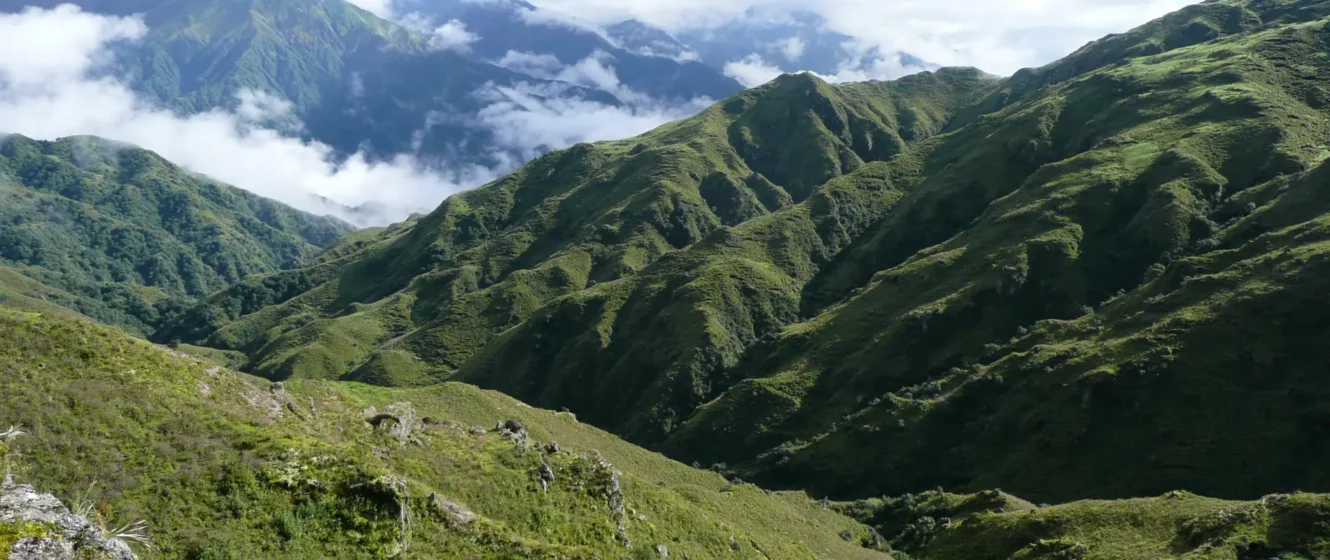
At Chamanica Ecolodge, we know your wishes and want to give you the very best; that’s why you can explore the Yungas mountains, walk hidden forest trails, join cultural experiences, and live unforgettable moments in harmony with nature.
Activities
Chamanica is more than an ecolodge. It’s nature and culture.
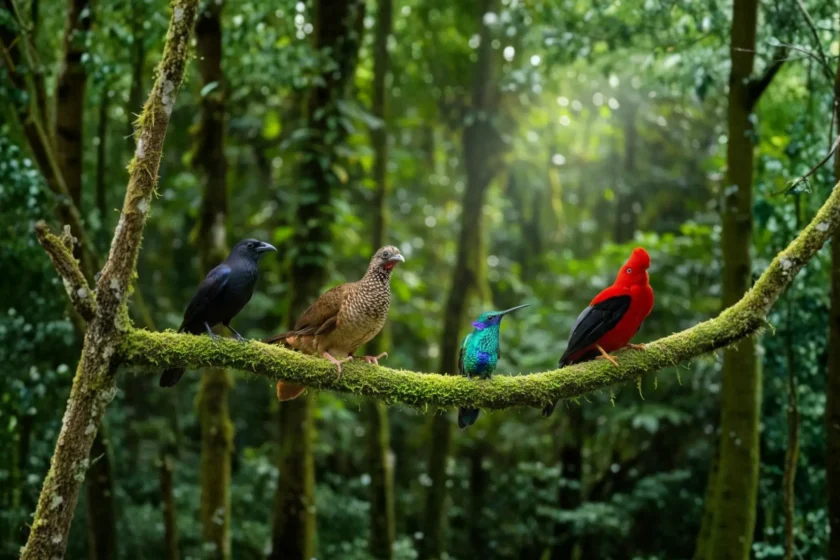
Birdwatching in Coroico: A Natural Paradise in the Yungas
At dawn, as soft mist drifts through the mountains and hummingbirds vibrate in the early light, Coroico reveals one of its greatest treasures: a landscape where the Andes and the Amazon meet in quiet harmony.
Located in the heart of the Yungas, this destination offers warm, humid weather, cloud forests, and exceptional biodiversity. More than 450 bird species find refuge here, making the region one of Bolivia’s most important birdwatching hotspots. Observing their quick flights, vibrant calls, and bright plumage connects travelers, families, and nature lovers with a living, breathing environment.
Why Coroico Is a Prime Birdwatching Destination
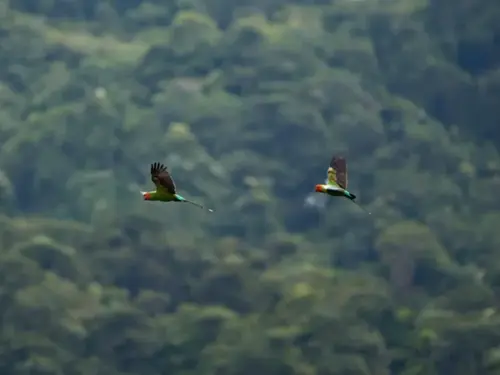
Coroico combines natural diversity and easy access, positioning it as a leading birdwatching destination in Bolivia. Less than three hours from La Paz, the scenic route descends nearly 2,000 meters, crossing a mosaic of ecosystems that enrich the experience. The pleasant climate, transitional Andean–Amazonian landscapes, and humid forests allow tropical, Andean, and endemic species to flourish.
The region’s tourism infrastructure makes the experience even more accessible, with eco-lodges, marked trails, and knowledgeable local guides. Even within gardens, nearby paths, or resting spots, it’s common to spot hummingbirds, toucans, parrots, jays, and the iconic Andean cock-of-the-rock.
Where and When to Observe Birds in Coroico
Birdwatching is possible year-round, but the dry season—from May to September—offers the best conditions: clear skies, accessible trails, and excellent visibility. During the rainy season, vegetation becomes denser and some species display breeding plumage, adding a special appeal for more experienced observers.
Reaching Coroico is simple, whether by public transport from Villa Fátima in La Paz or by private vehicle via the new Yungas road. The journey itself becomes part of the experience as the landscape shifts dramatically.
Coroico’s Connection to Bolivian Birdwatching
The rising interest in birdwatching has positioned Coroico as a meeting point for international travelers, researchers, and enthusiasts. Local communities and eco-friendly lodges are increasingly involved in sustainable tourism, offering experiences that respect the natural environment. Each sunrise becomes a living symphony of colors and songs rising between forests, ravines, and mountain streams.
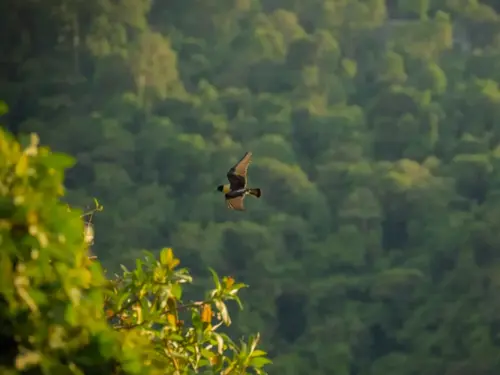
Observing birds in Coroico is more than photographing species—it is reconnecting with a vibrant environment and recognizing the importance of Yungas ecosystems.
A Destination That Invites You to Slow Down
Coroico is not only a refuge for birds but also for those seeking tranquility, nature, and meaningful moments. From the giant hummingbird to the Andean cock-of-the-rock, each species reminds us that life thrives where the Andes embrace the Amazon.
Frequently Asked Questions (FAQ)
What is the best time of year for birdwatching in Coroico?
The dry season (May to September) offers better visibility and more accessible trails.
Can birds be spotted near the town center?
Yes, many species can be observed in gardens, short trails, and natural areas close to town.
Do I need a guide for birdwatching?
It’s not required, but hiring a local guide enriches the experience and helps identify more species.
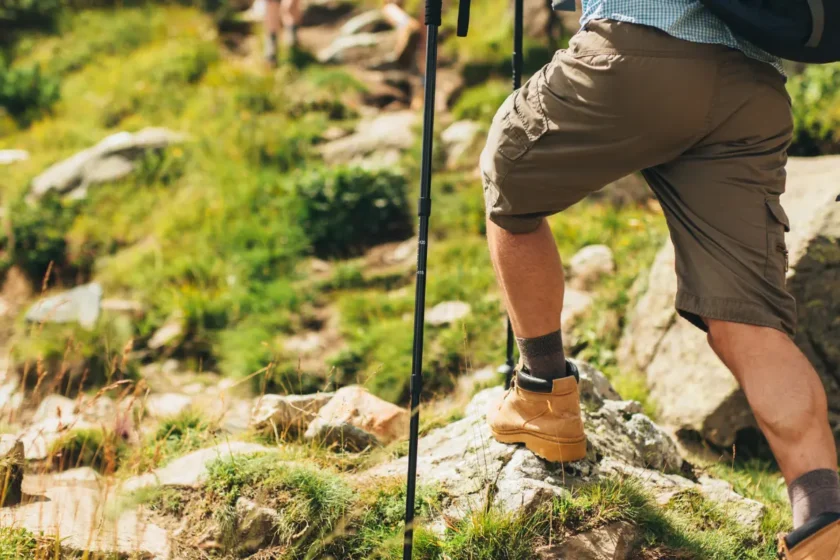
Ecological Hiking in Coroico: The Green Gateway to Los Yungas
Walking the trails of Coroico means stepping into a world where mist hugs the mountains, hummingbirds flash like emerald sparks, and every step reveals a fragment of the transition between the Andes and the Amazon. This region, known as the gateway to Los Yungas, shelters a unique and delicate cloud forest considered one of Bolivia’s most important biomes.
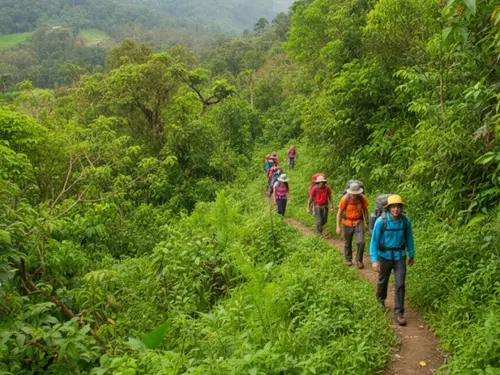
Hiking here is not just about covering distance: it is about immersing yourself in a natural sanctuary where water, biodiversity, and culture coexist in balance. This guide explores its trails, ecological importance, and how to enjoy the experience responsibly while supporting local communities. An ideal context for travelers seeking tourism in Coroico, contemplation, living nature, and eco-conscious stays such as those offered by Chamanica Ecolodge.
Los Yungas: A Cloud Forest Full of Life and Biodiversity
The cloud forest of Coroico is one of Bolivia’s most valuable ecosystems. Its constant humidity, mist-covered mountains, and varied altitude create exceptional megadiversity. Here you’ll find endemic orchids, giant ferns, and towering trees, as well as bird species sought by ornithologists such as the Bolivian Sunbeam, Giant Hummingbird, and emerald toucans. It is also home to the Andean Bear, a key indicator of ecosystem health. This biome functions as a Water Sanctuary, feeding basins that ultimately reach the Amazon.
Trails that Connect Nature, History, and Culture
Coroico offers routes that blend biodiversity with pre-Hispanic heritage and living culture.
- Chairo–Socosani Trail: an ancient path with Inca stonework, archaeological remains, and views of Nogalani mountain.
- Yucupi Chimani Waterfall: perfect for birdwatching, butterflies, and orchid observation after crossing a suspension bridge over the Huarinilla river.
- Uchumachi Ascent: known as the “Sanctuary of Water and Life,” offering unforgettable panoramic views.
- Charobamba: a deep route inside Cotapata National Park, combining nature with the history of Jewish families who settled there in 1940.
Sustainable Tourism: Communities, Conservation, and Eco‑Lodging
Responsible ecotourism in Coroico relies on supporting those who protect and inhabit the territory. The Afro‑Bolivian community of Tocaña is a model of Community‑Based Tourism: they preserve the Saya tradition, cultivate coffee and cacao, and offer lodging that encourages visitors to stay longer and benefit the local economy.
Eco‑lodges such as Chamanica Ecolodge, with ecological cabins and local cuisine, reinforce the value of the territory by collaborating with producers and responsible environmental practices.
Equipment and Safety: How to Prepare for Hiking in Los Yungas
The cloud forest requires specific preparation: breathable clothing, a lightweight waterproof jacket, trekking shoes with strong grip, and at least two liters of water per person. A first‑aid kit, thermal blanket, and sun protection are essential. Due to the terrain’s complexity, it is recommended to hire certified guides and remain on marked trails at all times.
Frequently Asked Questions (FAQ)
Is it recommended to hike in Coroico without a guide?
No. The cloud forest is complex, and guiding quality may vary; for safety and ecological respect, a certified guide is recommended.
What kind of clothing is needed for hiking in Los Yungas?
Quick‑dry clothing, a lightweight waterproof jacket, trekking shoes, and layers for temperature changes.
Are these routes suitable for families?
Routes such as Uchumachi or Yucupi Chimani are family‑friendly when accompanied by responsible guides.
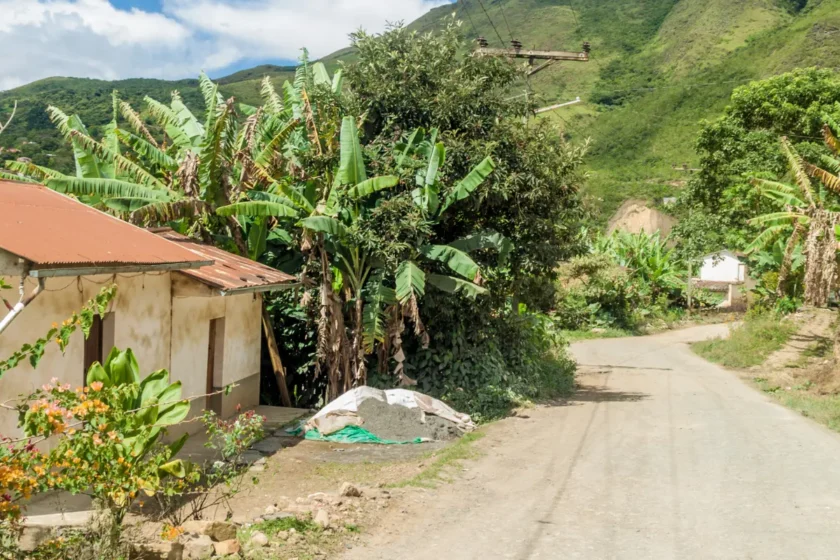
Afro-Bolivian Culture in the Yungas: a historic journey from Coroico
In the green mountains of the Yungas, where mist embraces the coffee plantations and life beats with an African rhythm, lies a unique cultural experience in Bolivia: the Afro-Bolivian Tourism Route (RTAB). From Coroico—one of the most visited destinations in the region—a path opens toward communities where history, memory, and music remain alive.
Here, the Afro-Bolivian Royal House, the Saya dance, and traditional gastronomy reveal an identity that has resisted for centuries. This route offers an authentic immersion into the Afro heritage of Bolivia, connecting culture, nature, and community hospitality. For travelers seeking cultural tourism in Coroico, this journey becomes an invitation to discover an extraordinary story still being written in Tocaña, Mururata, and Nogalani.

The essence of the Afro-Bolivian Route: living history in Mururata
The heritage heart of the RTAB is found in Mururata, home of the Afro-Bolivian Royal House. This is where the royal lineage tracing back to Prince Uchicho began—recognized as king by enslaved Africans in the 19th century. His coronation in 1832 marked a historic act of dignity and cultural resistance. Today, His Majesty Julio I Pinedo and Queen Angélica Larrea preserve this legacy with a simple, authentic life deeply connected to their community. Visiting Mururata means encountering a living heritage unique in the Americas.
Tocaña: the power of Saya and community culture
Tocaña is known as the “Afro heartbeat of the Yungas.” Here, Saya—the emblematic dance of African heritage—continues to guide the cultural life of the village. Visitors can learn the deeper meaning of its rhythms, participate in community workshops, and enjoy traditional dishes like mondongo prepared by local families. Tocaña is the experiential core of the route, where hospitality and closeness to the community transform every visit into a meaningful cultural exchange.
Nogalani and the Interpretation Center: the historical link with coca and coffee
The Interpretation Center of the Coca Leaf, High-Altitude Coffee, and Afro-Bolivian Culture in Nogalani is a key piece of the circuit. Although currently underused, this space was designed to explain the historical connection between coca plantations, coffee production, and the Afro-descendant presence in the Yungas. Revitalizing this center would allow the route to begin with solid educational context, preparing visitors to understand the history they will encounter in Tocaña and Mururata.
Coroico as the starting point: nature, culture, and ideal logistics
As the gateway to the Yungas, Coroico offers the perfect balance of nature, culture, and accessibility. Only three hours from La Paz, it is the ideal base for cultural tours, historical trekking routes, or agro-tourism activities. Whether exploring the Uchumachi hill, visiting coffee farms, or joining celebrations like the National Day of the Afro-Bolivian People and Culture (September 23), Coroico functions as the logistical and emotional hub of the entire route.
Frequently Asked Questions (FAQ)
What is the best time to explore the Afro-Bolivian Tourism Route?
September is a key month thanks to the Saya Festival and the National Day of the Afro-Bolivian People, offering many cultural activities in the region.
Is this experience suitable for families?
Absolutely. The music, living history, and community hospitality make it an enriching activity for children and adults alike.
Can Tocaña, Mururata, and Nogalani be visited on the same trip?
Yes. From Coroico, it is possible to organize a 1–2 day circuit that includes the main points of the route.
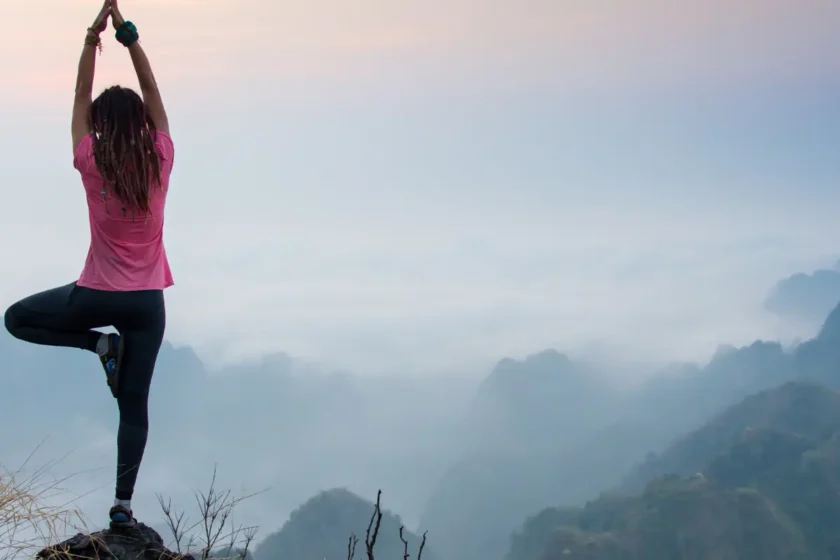
Yoga in Los Yungas: Spiritual Well‑Being in the Heart of Bolivia’s Nature
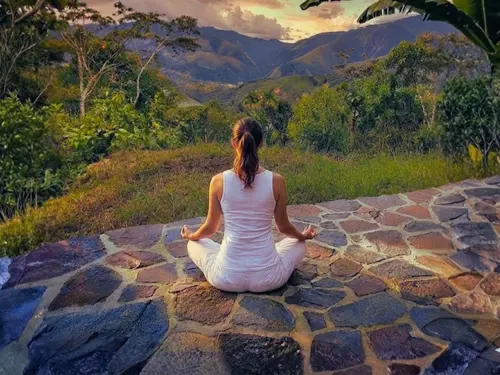
Among mist‑covered mountains, warm rivers, and forests that breathe life, Los Yungas has become a unique destination for those seeking spiritual well‑being through Yoga. Here, the practice does not take place in an enclosed studio, but in the middle of the Andean‑Amazonian transition, where each breath blends with the aroma of the jungle and the ancestral energy of the land.
In this natural refuge —which includes places like Coroico, ecological trails, and ecolodges integrated into the forest— Yoga gains a different meaning: one that converses with Pachamama, Andean rituals, and the search for inner balance. This article explores how ancestral spirituality and modern Yoga converge in Los Yungas to create deep reconnection experiences.
The natural environment that transforms Yoga practice
Los Yungas, an ecological strip descending from the Andes toward the Amazon basin, offers mild weather, cloud forests, and biodiversity that perfectly frames practices of relaxation and mindfulness. Coroico, in particular, has become an epicenter for spiritual retreats thanks to its serenity, accessibility, and tropical beauty.
Ecological centers, refuges, and ecolodges with nature trails allow Yoga to be practiced outdoors, in open studios, or on platforms surrounded by forest, strengthening sensory and energetic connection.
Yoga and Andean worldview: a meaningful convergence
While global Yoga seeks inner peace from an individual perspective, Yungas spirituality is rooted in Suma Causa, a holistic well‑being based on harmony with Pachamama and the environment.
Rituals such as Akhulli (the ceremonial chewing of coca leaves) or offerings to Mother Earth complement Yoga practice by adding reciprocity, gratitude, and collective connection.
This union between ancestral tradition and modern well‑being creates unique retreats where body, mind, and territory come together in authentic experiences.
Yoga retreats in Los Yungas: nature, serenity, and ancestral energy
The region offers options that combine Yoga, meditation, ecological walks, and traditional ceremonies.
In ecolodges throughout Coroico, travelers find Yoga studios, private trails, massages, contemplation spaces, and warmer climates compared to high‑altitude areas.
Retreats of up to 15 days may include Yin Yoga, satsang, pranayama, forest bathing, and direct contact with local culture, creating a balance between rest, introspection, and spiritual learning.
Sustainable well‑being: toward responsible spiritual tourism
Los Yungas preserves a spiritual legacy guided by ancestral celebrants and deep knowledge of the natural world. For this reason, retreats held in the region must honor reciprocity (Ayni), promote biocultural conservation, and avoid superficial use of sacred rituals.
A responsible approach means collaborating with local communities, integrating their wisdom, valuing their role in cultural transmission, and ensuring that the well‑being offered also benefits the people who inhabit the territory.
Frequently Asked Questions (FAQ)
Is Coroico a good destination for Yoga retreats?
Yes. Its mild climate, abundant jungle, and Andean mysticism make it an ideal environment for meditation, outdoor practice, and extended retreats.
Do Yoga practices in Los Yungas include cultural elements?
Many retreats integrate Andean rituality such as offerings, teaching about Pachamama, and ceremonial use of coca leaves, always guided by local knowledge.
Can beginners participate?
Most retreats are designed for all levels, combining gentle practices, meditation, and sessions adapted to each traveler’s pace.
Coroico Coffee: A High-Altitude Origin Blending Nature, Culture, and Sustainability
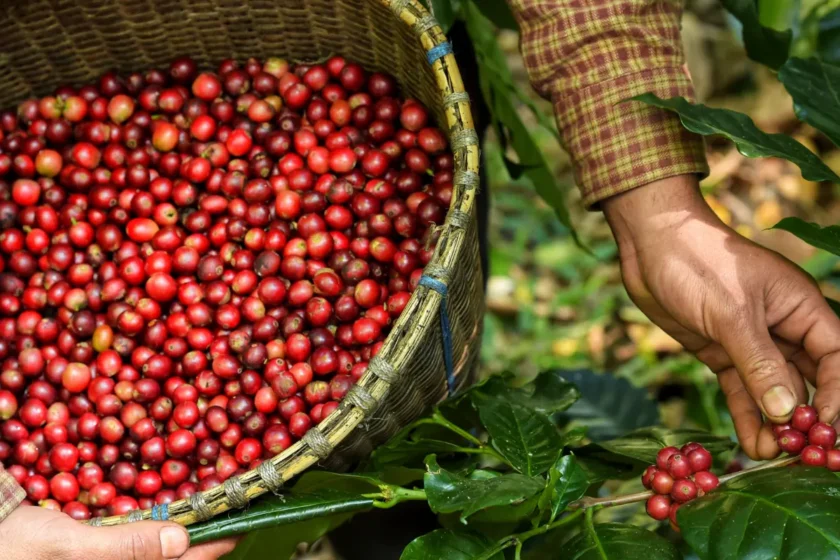
Amid green mountains, soft mist, and the gentle sound of the Yungas, a coffee is born that is not only tasted—it is lived. Coroico coffee is the result of a privileged geography and a tradition deeply rooted in local communities.
Walking through its coffee plantations reveals how altitude, climate, and artisan practices work together to create a bean with bright acidity and an enveloping aroma. It is also an opportunity to understand how coffee production fuels development, sustainability, and authentic tourism experiences that visitors enjoy when staying in eco‑friendly places like Chamanica Ecolodge.
A Coffee Born From Altitude and Yungas Biodiversity
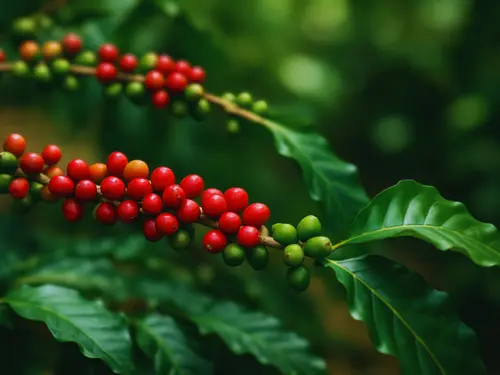
Coroico sits in a transition zone between the Andes and the Bolivian Amazon, offering ideal conditions for Coffea Arabica. Coffee plantations grow at around 1,700 meters above sea level, where the slow maturation of the fruit increases natural sugars and complexity. This environment—combined with fertile soils and a humid-temperate climate—produces a coffee with clean aromas, bright acidity, and sweet notes that distinguish it in Bolivia’s specialty coffee landscape.
Tradition, Identity, and a Crop With Social Impact
In the Yungas, coffee is more than an agricultural product—it is a living heritage. Families maintain practices such as hand-picking and sun-drying, preserving both quality and cultural identity. These efforts connect with alternative development programs that strengthen local economies and promote sustainable livelihoods. Thanks to this, Coroico has earned recognition as an ethical, high-value origin appreciated in demanding markets like France and Belgium.
Sustainability in Action: Agroforestry and Clean Energy
Coroico coffee is grown under Agroforestry Systems that protect biodiversity and soil health. Cover crops such as mucuna help naturally fix nitrogen, reduce weeds, and prevent erosion. Local producers also use clean energy for coffee roasting, reinforcing a sustainable value chain that resonates with eco‑conscious travelers visiting the Yungas.
Cup Quality: Noble Varieties and Innovative Methods
Typica and Caturra are iconic varieties in Coroico, contributing elegance, bright acidity, sweetness, and balance. Under SCAA standards, coffees from the region have achieved up to 87.5 points, placing them in the “Excellent” category. Some producers also experiment with niche bioprocessing methods, creating unique microlots that elevate Coroico’s position in the premium coffee market.
Coffee Tourism: A Complete Experience
The “Coffee Tours” in Coroico guide visitors from the coffee cherry to the final cup, led by producers themselves. Many travelers arrive after biking the famous Death Road and seek authentic experiences that blend nature, culture, and flavor. This coffee tourism generates additional income for families and enriches the experience of staying in an ecolodge surrounded by forest. For those seeking close contact with nature and local culture, places like Chamanica Ecolodge serve as the perfect starting point for the Coffee Route.
Frequently Asked Questions (FAQ)
Where is Coroico coffee grown?
In Yungas communities located between 1,600 and 1,800 meters above sea level.
Which varieties are most common?
Typica and Caturra, along with select productions of Geisha in nearby areas.
Can visitors tour the coffee farms?
Yes. Guided tours with local producers are available and pair perfectly with nature-based activities.