
Walking the trails of Coroico means stepping into a world where mist hugs the mountains, hummingbirds flash like emerald sparks, and every step reveals a fragment of the transition between the Andes and the Amazon. This region, known as the gateway to Los Yungas, shelters a unique and delicate cloud forest considered one of Bolivia’s most important biomes.
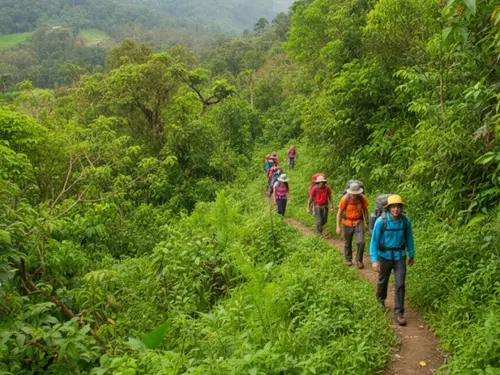
Hiking here is not just about covering distance: it is about immersing yourself in a natural sanctuary where water, biodiversity, and culture coexist in balance. This guide explores its trails, ecological importance, and how to enjoy the experience responsibly while supporting local communities. An ideal context for travelers seeking tourism in Coroico, contemplation, living nature, and eco-conscious stays such as those offered by Chamanica Ecolodge.
Los Yungas: A Cloud Forest Full of Life and Biodiversity
The cloud forest of Coroico is one of Bolivia’s most valuable ecosystems. Its constant humidity, mist-covered mountains, and varied altitude create exceptional megadiversity. Here you’ll find endemic orchids, giant ferns, and towering trees, as well as bird species sought by ornithologists such as the Bolivian Sunbeam, Giant Hummingbird, and emerald toucans. It is also home to the Andean Bear, a key indicator of ecosystem health. This biome functions as a Water Sanctuary, feeding basins that ultimately reach the Amazon.
Trails that Connect Nature, History, and Culture
Coroico offers routes that blend biodiversity with pre-Hispanic heritage and living culture.
- Chairo–Socosani Trail: an ancient path with Inca stonework, archaeological remains, and views of Nogalani mountain.
- Yucupi Chimani Waterfall: perfect for birdwatching, butterflies, and orchid observation after crossing a suspension bridge over the Huarinilla river.
- Uchumachi Ascent: known as the “Sanctuary of Water and Life,” offering unforgettable panoramic views.
- Charobamba: a deep route inside Cotapata National Park, combining nature with the history of Jewish families who settled there in 1940.
Sustainable Tourism: Communities, Conservation, and Eco‑Lodging
Responsible ecotourism in Coroico relies on supporting those who protect and inhabit the territory. The Afro‑Bolivian community of Tocaña is a model of Community‑Based Tourism: they preserve the Saya tradition, cultivate coffee and cacao, and offer lodging that encourages visitors to stay longer and benefit the local economy.
Eco‑lodges such as Chamanica Ecolodge, with ecological cabins and local cuisine, reinforce the value of the territory by collaborating with producers and responsible environmental practices.
Equipment and Safety: How to Prepare for Hiking in Los Yungas
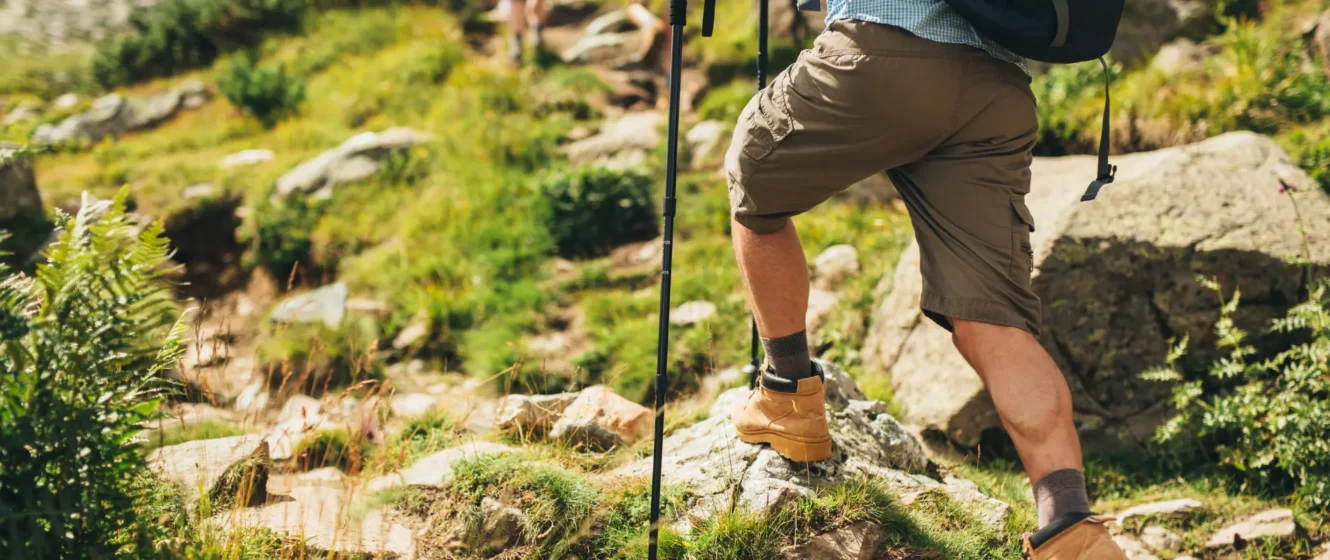
The cloud forest requires specific preparation: breathable clothing, a lightweight waterproof jacket, trekking shoes with strong grip, and at least two liters of water per person. A first‑aid kit, thermal blanket, and sun protection are essential. Due to the terrain’s complexity, it is recommended to hire certified guides and remain on marked trails at all times.
Frequently Asked Questions (FAQ)
Is it recommended to hike in Coroico without a guide?
No. The cloud forest is complex, and guiding quality may vary; for safety and ecological respect, a certified guide is recommended.
What kind of clothing is needed for hiking in Los Yungas?
Quick‑dry clothing, a lightweight waterproof jacket, trekking shoes, and layers for temperature changes.
Are these routes suitable for families?
Routes such as Uchumachi or Yucupi Chimani are family‑friendly when accompanied by responsible guides.