
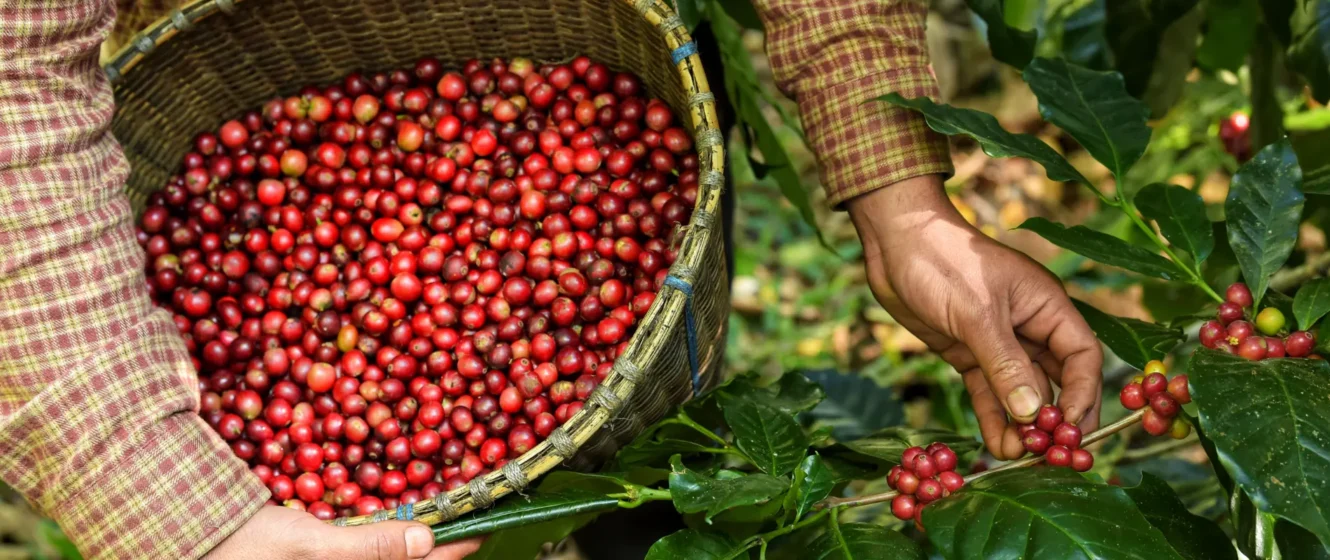
Amid green mountains, soft mist, and the gentle sound of the Yungas, a coffee is born that is not only tasted—it is lived. Coroico coffee is the result of a privileged geography and a tradition deeply rooted in local communities.
Walking through its coffee plantations reveals how altitude, climate, and artisan practices work together to create a bean with bright acidity and an enveloping aroma. It is also an opportunity to understand how coffee production fuels development, sustainability, and authentic tourism experiences that visitors enjoy when staying in eco‑friendly places like Chamanica Ecolodge.
A Coffee Born From Altitude and Yungas Biodiversity
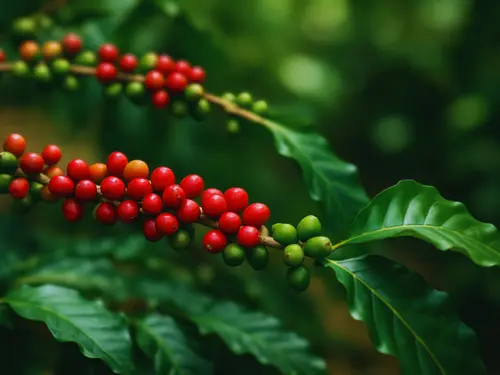
Coroico sits in a transition zone between the Andes and the Bolivian Amazon, offering ideal conditions for Coffea Arabica. Coffee plantations grow at around 1,700 meters above sea level, where the slow maturation of the fruit increases natural sugars and complexity. This environment—combined with fertile soils and a humid-temperate climate—produces a coffee with clean aromas, bright acidity, and sweet notes that distinguish it in Bolivia’s specialty coffee landscape.
Tradition, Identity, and a Crop With Social Impact
In the Yungas, coffee is more than an agricultural product—it is a living heritage. Families maintain practices such as hand-picking and sun-drying, preserving both quality and cultural identity. These efforts connect with alternative development programs that strengthen local economies and promote sustainable livelihoods. Thanks to this, Coroico has earned recognition as an ethical, high-value origin appreciated in demanding markets like France and Belgium.
Sustainability in Action: Agroforestry and Clean Energy
Coroico coffee is grown under Agroforestry Systems that protect biodiversity and soil health. Cover crops such as mucuna help naturally fix nitrogen, reduce weeds, and prevent erosion. Local producers also use clean energy for coffee roasting, reinforcing a sustainable value chain that resonates with eco‑conscious travelers visiting the Yungas.
Cup Quality: Noble Varieties and Innovative Methods
Typica and Caturra are iconic varieties in Coroico, contributing elegance, bright acidity, sweetness, and balance. Under SCAA standards, coffees from the region have achieved up to 87.5 points, placing them in the “Excellent” category. Some producers also experiment with niche bioprocessing methods, creating unique microlots that elevate Coroico’s position in the premium coffee market.
Coffee Tourism: A Complete Experience
The “Coffee Tours” in Coroico guide visitors from the coffee cherry to the final cup, led by producers themselves. Many travelers arrive after biking the famous Death Road and seek authentic experiences that blend nature, culture, and flavor. This coffee tourism generates additional income for families and enriches the experience of staying in an ecolodge surrounded by forest. For those seeking close contact with nature and local culture, places like Chamanica Ecolodge serve as the perfect starting point for the Coffee Route.
Frequently Asked Questions (FAQ)
Where is Coroico coffee grown?
In Yungas communities located between 1,600 and 1,800 meters above sea level.
Which varieties are most common?
Typica and Caturra, along with select productions of Geisha in nearby areas.
Can visitors tour the coffee farms?
Yes. Guided tours with local producers are available and pair perfectly with nature-based activities.