
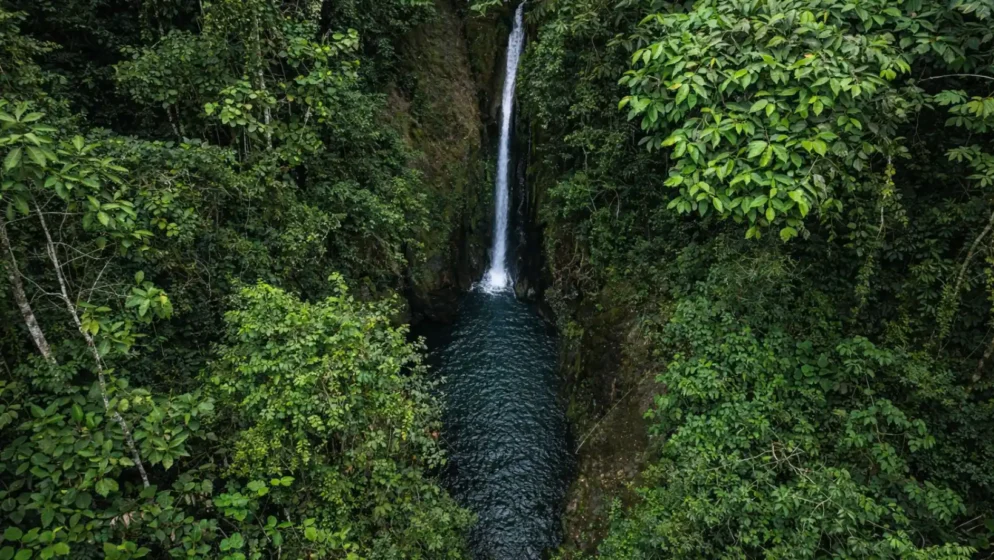
The descent is over.
The helmet comes off.
Your hands are still trembling a little.
You have crossed one of the most intense roads on the planet. You descended from snow to jungle, from extreme altitude to humid heat. And then a question appears — one that almost no one asks before coming:
What happens after surviving the Death Road?
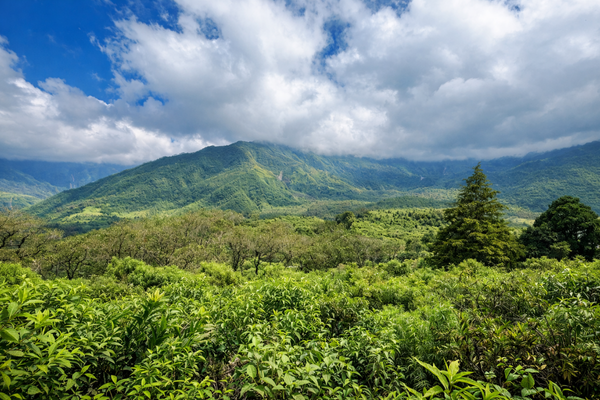
The moment no one plans for
Most people plan the descent obsessively:
- the bike
- the weather
- the risk
- the adrenaline
But very few think about what comes next.
The body doesn’t finish the same.
And neither does the mind.
The body descends… but the adrenaline stays
When you reach the area of Yolosa and the surroundings of Coroico, something curious happens:
the danger is over, but your nervous system is still on high alert.
It’s common to feel:
- deep exhaustion
- intense hunger
- a mix of euphoria and emptiness
- the need to sit down and do nothing
It’s not just physical. It’s an emotional release.
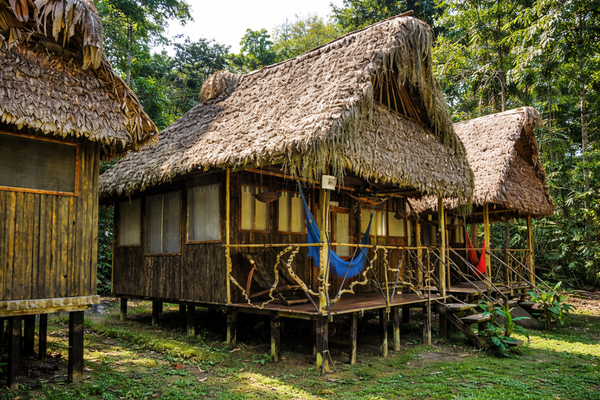
The mind asks for silence, not more stimuli
After hours of constant focus, the mind wants the exact opposite of what it had during the descent.
It doesn’t want:
- traffic
- urban noise
- screens
- schedules
It wants real nature. A slower rhythm. Space.
Many travelers make the mistake of returning immediately to La Paz. And something is lost there.
The contrast is too abrupt.
The true closure of the journey is in the Yungas
The Death Road doesn’t end where the path finishes.
It ends when the body regulates and the experience settles.
The Yungas offer exactly that:
- living jungle
- humid air
- natural sounds
- deep nights
Here, time moves differently.
From survival to conscious rest
After the descent, rest stops being a luxury and becomes part of the journey.
Sleeping surrounded by jungle isn’t just comfort.
It’s recovery.
- Walking without hurry.
- Listening to running water.
- Waking up without alarms.
The body understands it no longer has to defend itself.
Chamanica: when adventure needs a pause
At this point in the journey, many travelers realize something essential:
the experience isn’t complete without a place that allows the intensity to fade.
Chamanica is not a hotel to keep rushing.
It’s a place to let what you lived truly settle.
Here:
- the jungle is not decoration, it’s presence
- silence is not absence, it’s depth
- rest is not passive, it’s restorative
After the Death Road, the body is grateful for a place like this.
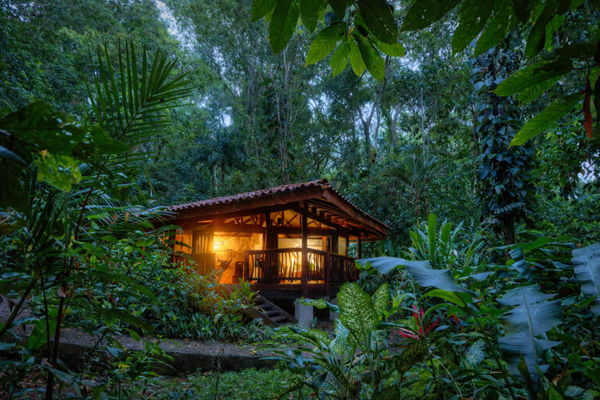
The complete experience isn’t just adrenaline
Many people think traveling means collecting extreme experiences.
But the experiences that truly remain are the ones with contrast.
The Death Road confronts you.
The jungle holds you.
That balance is what turns a memory into something deeper than an anecdote.
So… what now?
Now:
- you eat without rushing
- you breathe differently
- you sleep better
- you remember more clearly
The journey stops being a challenge and becomes a well-closed story.
Because it’s not just about surviving the Death Road.
It’s about knowing where to land afterward.